Valley Grove is not an active congregation. The Preservation Society is a group of volunteers dedicated to keep the spirit and community alive.
We welcome visitors and friends to explore all that Valley Grove and the Preservation Society have to offer both on the website and in person.
✽ Physical Address:
9999 155th Street E, Nerstrand, MN 55018
Visit and Learn
↓ Scroll Down ↓
Visiting Valley Grove
Annual Events
-
A Sunday from 2-4 Bonfires, roasted donut holes, hot chocolate, and snowshoe hikes in the prairie.
-
Valley Grove celebrates Norway’s Constitution Day and the coming of Spring with an Open House.
-
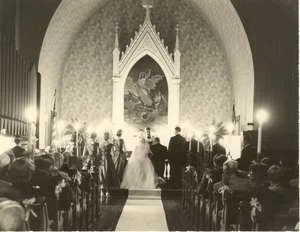
A summer Sunday event from 2-4pm for any and all who have gotten married at, attended a wedding at, or know someone who has been married at Valley Grove. Bring pictures and stories to share. Refreshments provided.
-
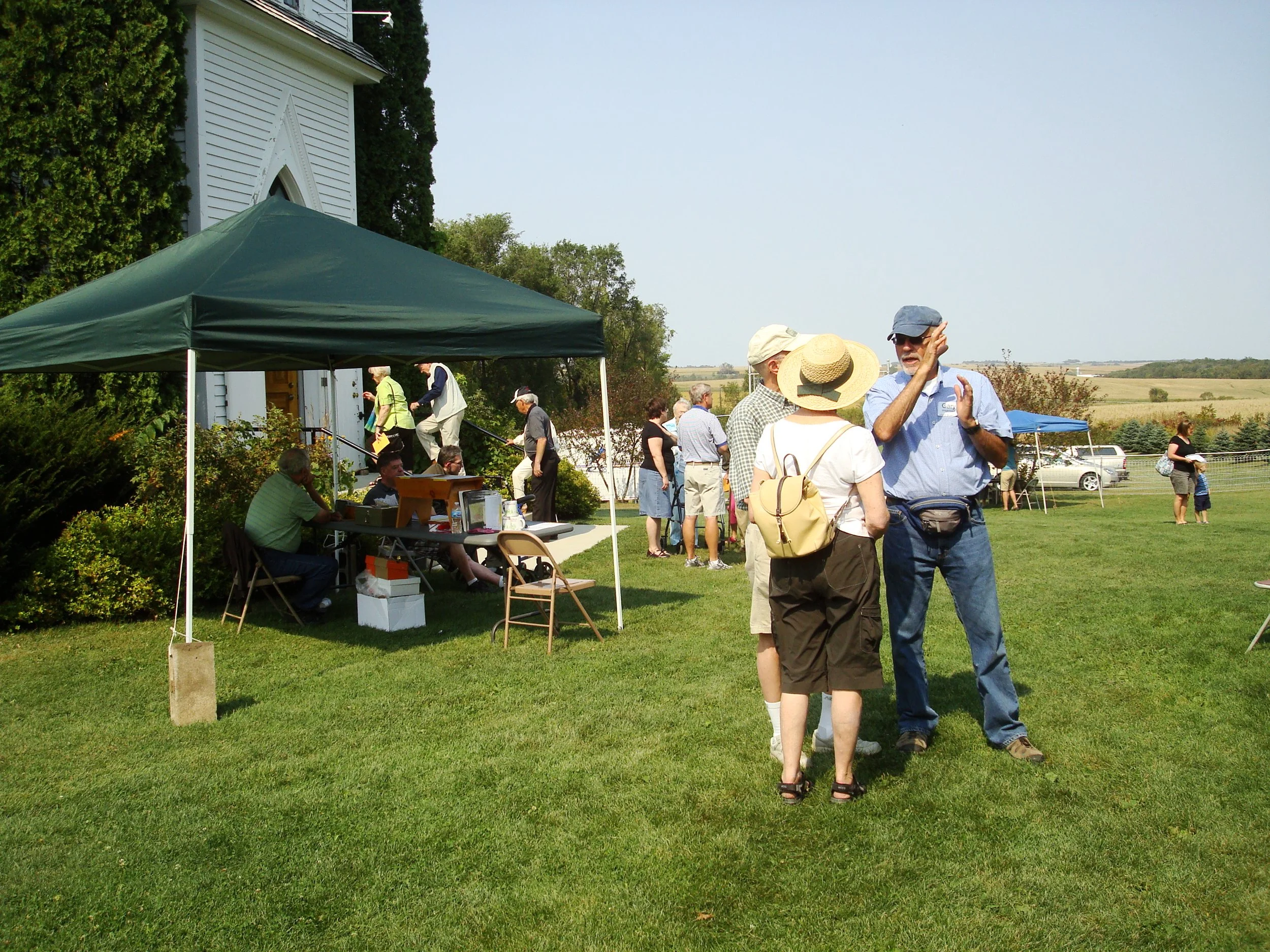
Each year in mid-September, Valley Grove holds its fall country social, featuring traditional music played under the historic oak tree, informal concerts in the church, refreshments, and outdoor activities such as wagon rides, rope-making, and goat milking. Past programs have included the commemoration of the church’s 150th anniversary, with talks by former Governor (and descendent of Valley Grove settlers) Al Quie and St. Olaf Professor Emeritus of Religion Joseph Shaw. Sale of memorabilia, raffles, and silent auctions often accompany this opportunity to support Valley Grove projects while celebrating this historic site with old and new friends.
-
Each year on Christmas Eve, Valley Grove holds a candlelight service at 10 p.m. Music begins at 9:45. Led by a guest minister, the service includes hymn-singing, musical presentations, and the reading of Luke’s gospel. At the close of the service coffee, cider, and holiday treats accompany a time for sharing glad tidings and historical connections. This special occasion is always a highlight of the holiday season for those who have roots here and for everyone who loves and appreciates Valley Grove.
Valley Grove is a peaceful destination for individuals to come and relax, picnic, walk on the prairie, or bird-watch. Current and future uses include: weddings, concerts, educational meetings, family reunions or gatherings, visiting congregations for summer services/picnics, and our own events (at right).
Physical Address: 9999 155th St E, Nerstrand, MN 55018
We ask that you be respectful, take only treasured memories, and leave only footprints.

The Churches
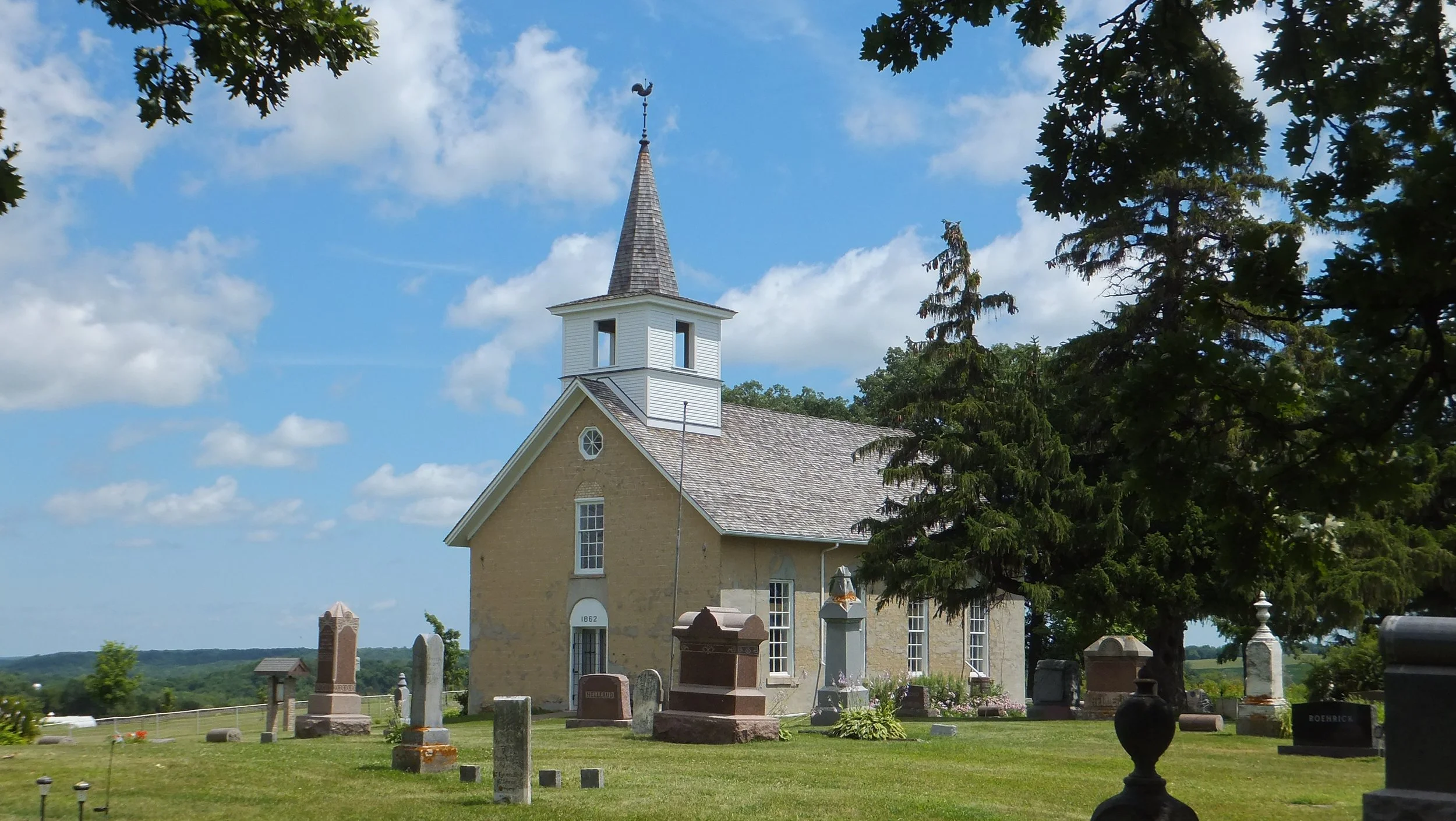
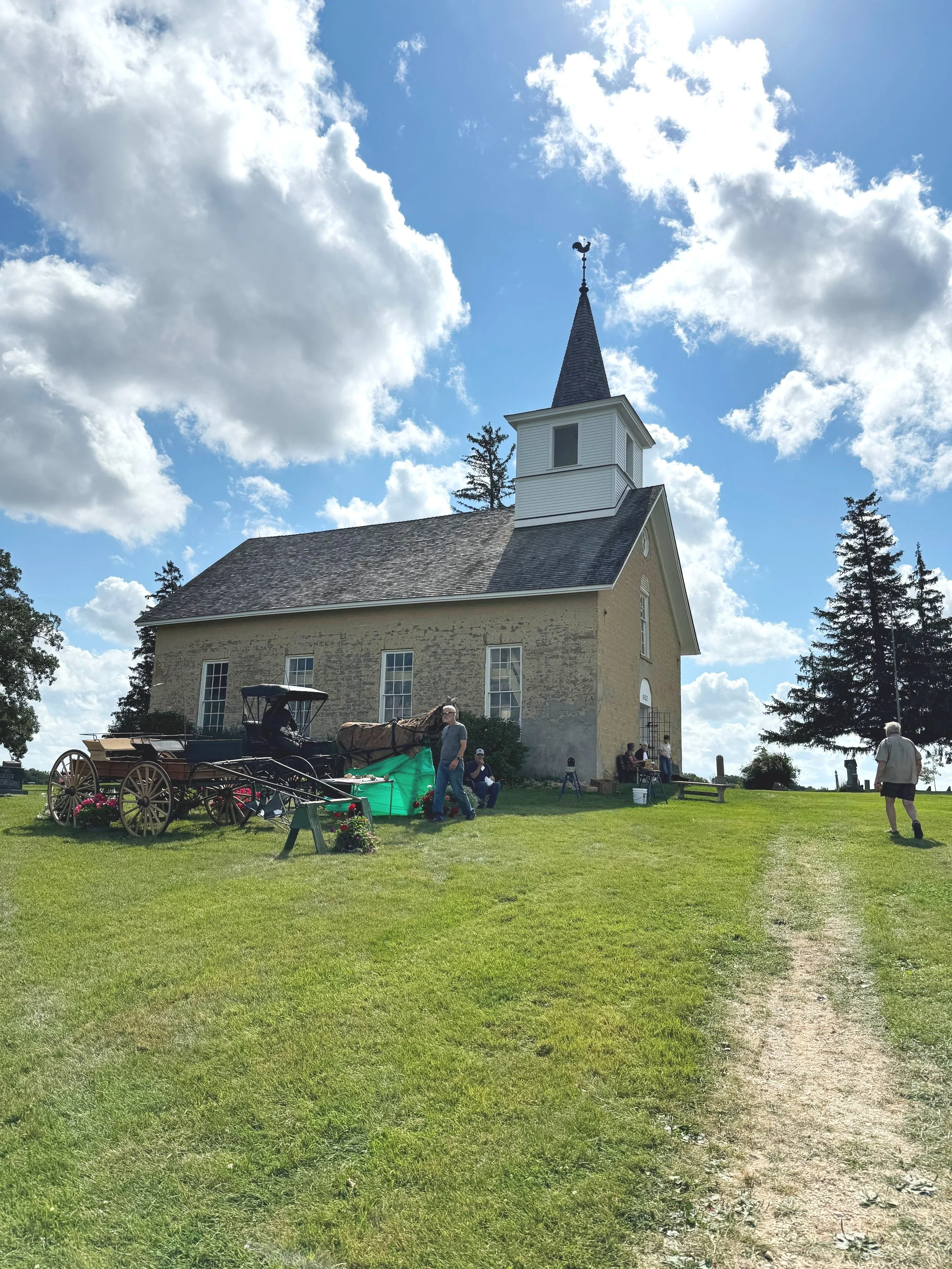
With good reason, Valley Grove is on the National Register of Historic Sites. The 1862 limestone church was built in a significant era of Minnesota’s history, in the year of the Dakota Uprising nearby and in midst of the nation’s Civil War, in which the Minnesota volunteer regiment played an essential role. Yet at this peaceful and beautiful site, one senses what it must have meant for Norwegian immigrant farm families scattered around the countryside to have a physical center for fostering their traditions and values, a haven in those times that was grander than their simple homes. The churchyard, with its commanding view of the surrounding area, became the final resting place for the congregation’s members; the first gravestone dates from the year of the stone church’s construction.
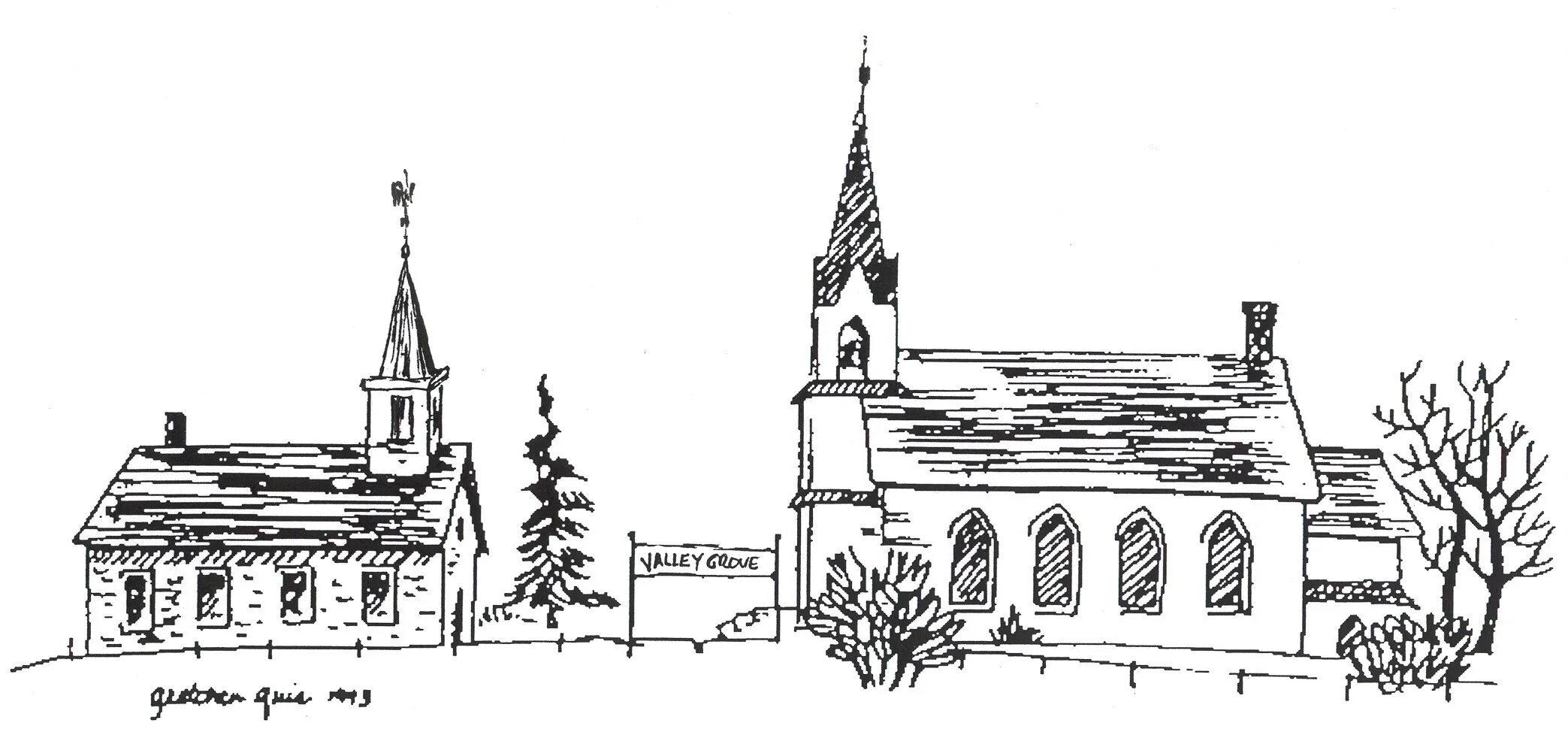
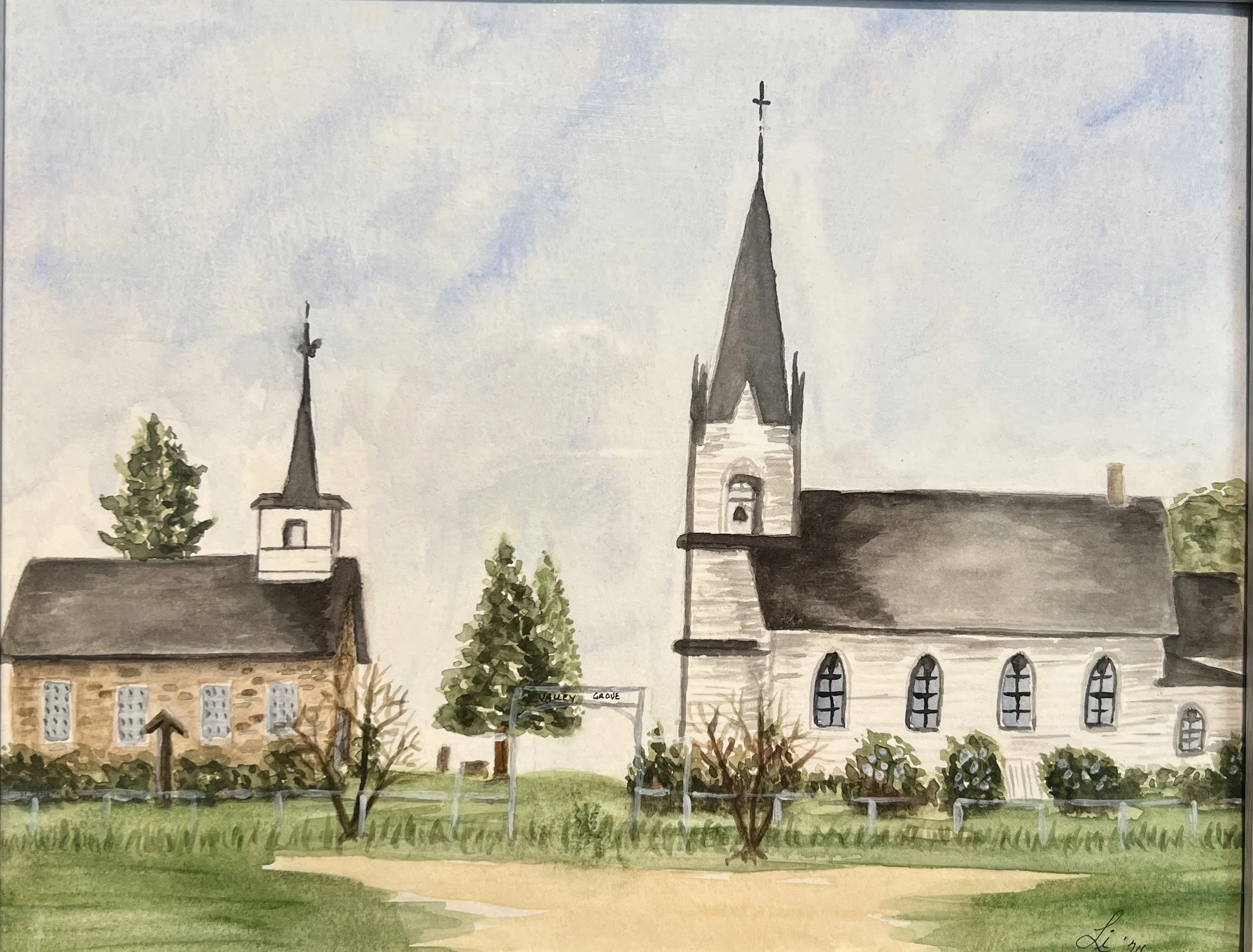
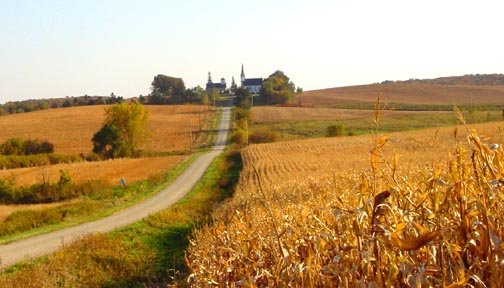
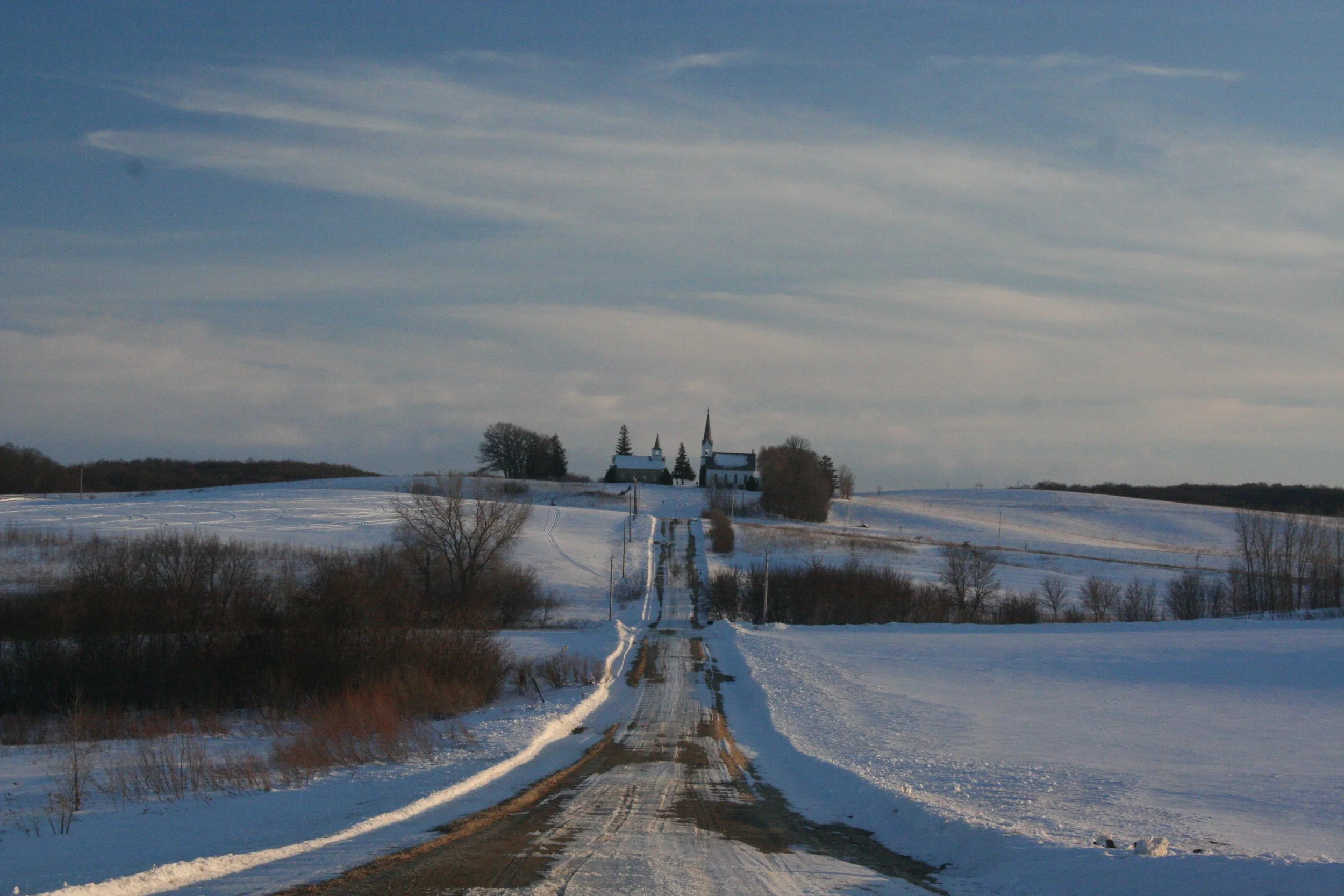
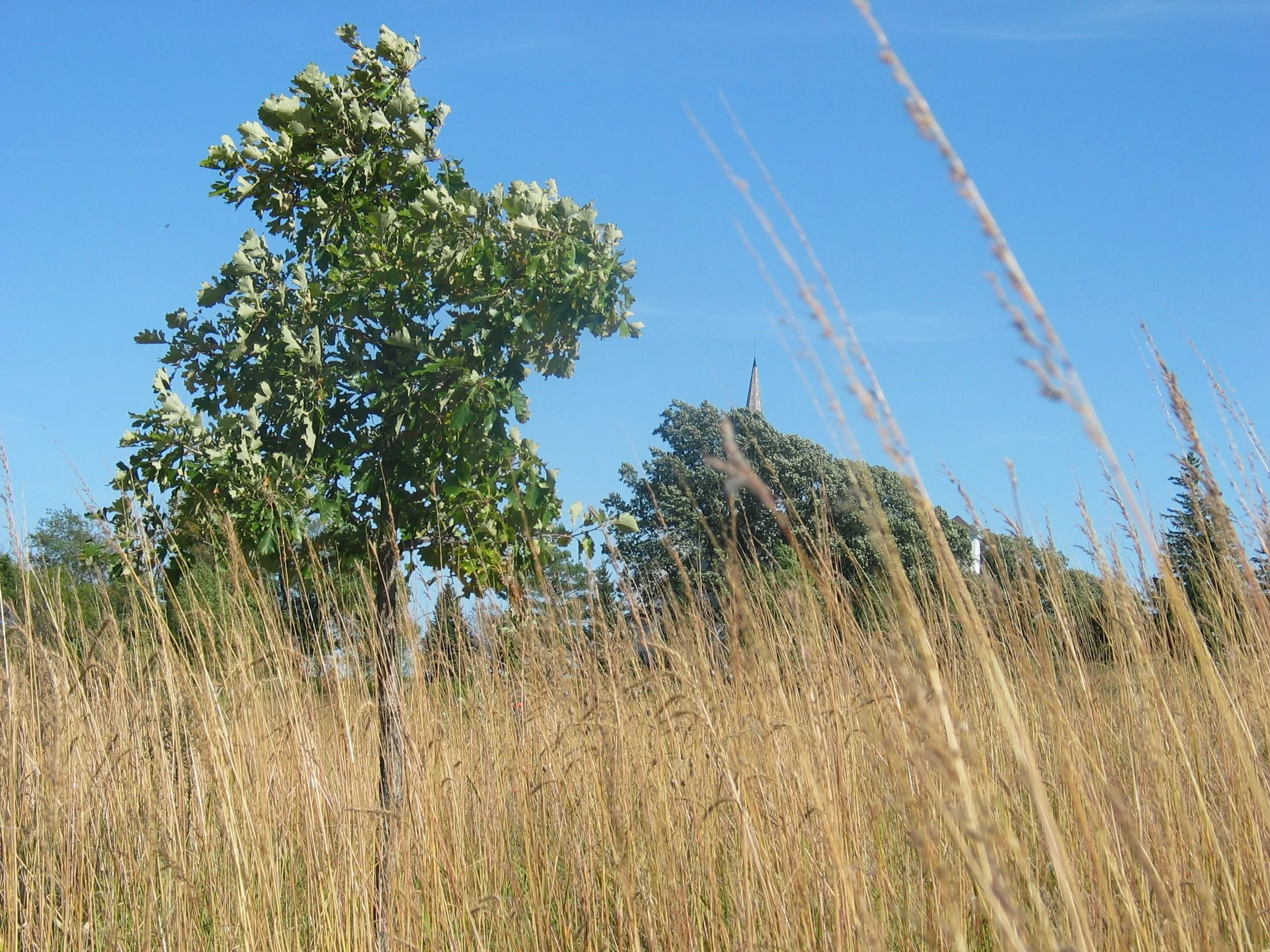
Already the location the settlers chose offers pastoral views in almost every direction, with the two historic churches standing sentry over a rolling landscape of fields, forest, and prairie. Today, the picturesque setting in the immaculately kept grounds, surrounded by the restored oak savannah, must give the site an appearance similar to that of the founders’ time, enhancing the simplicity of each church in its own way. This unusual incidence of two churches in one ensemble also provides insight into Minnesota church architectural history.
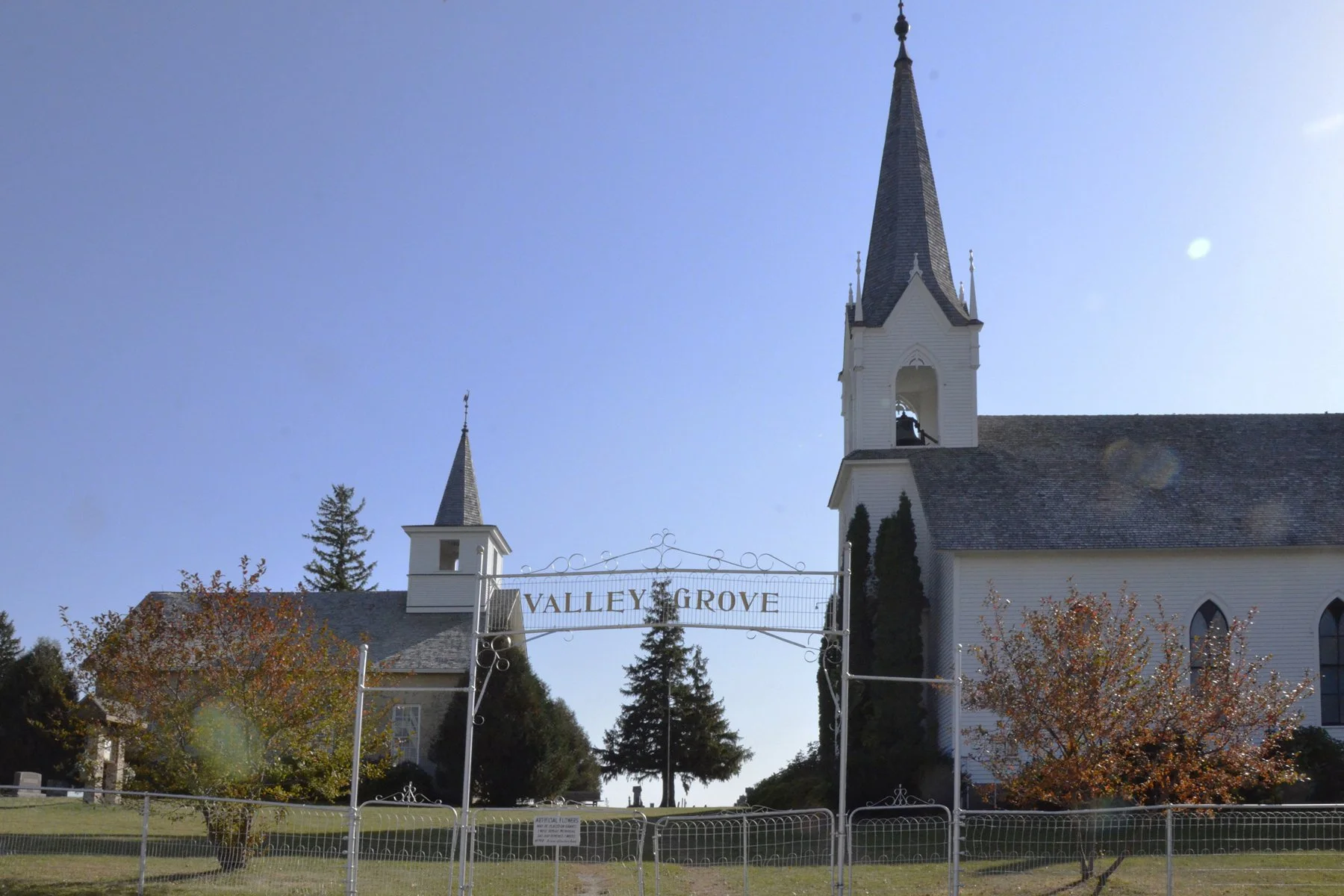
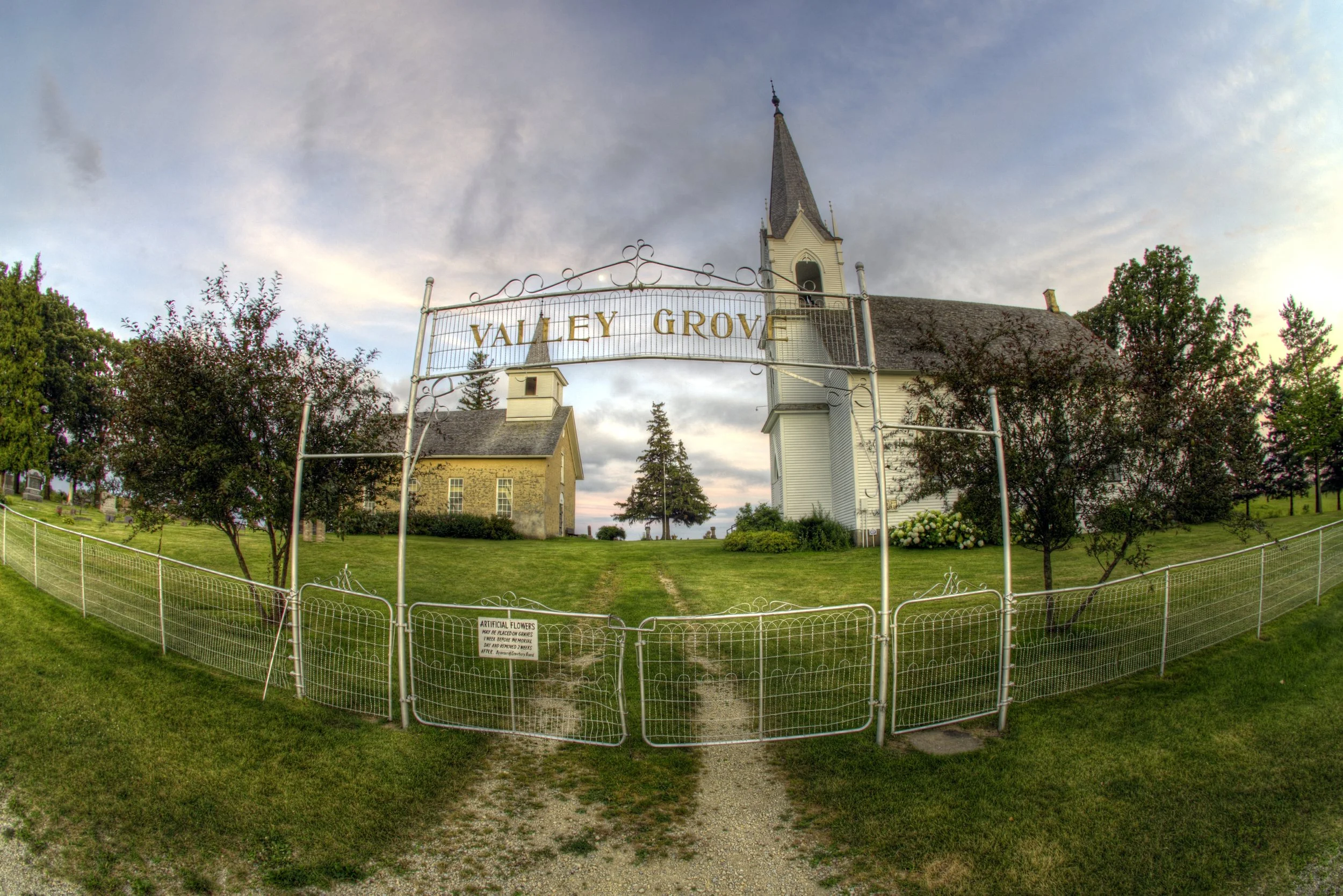
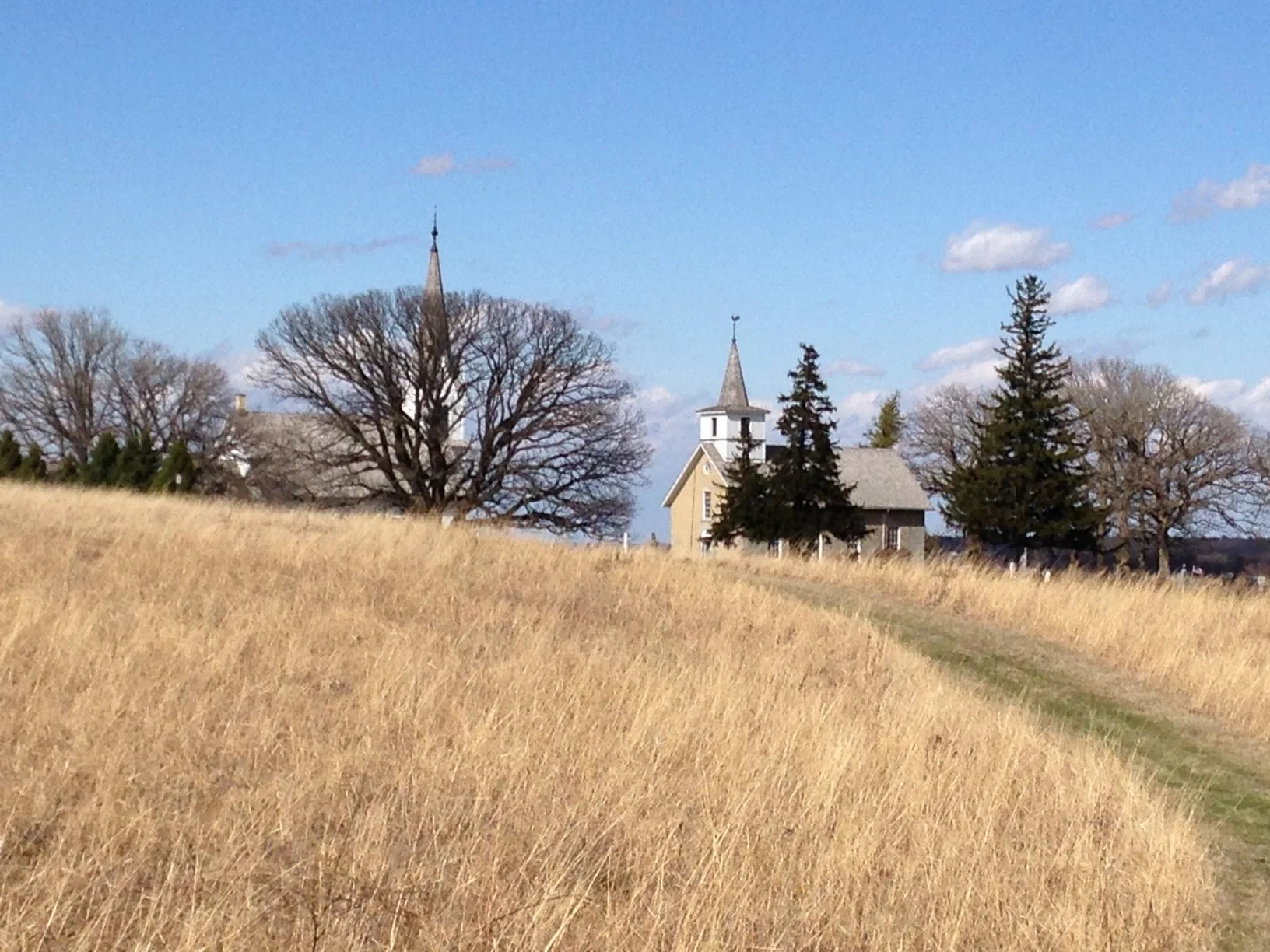
The Stone Church (Built 1862)
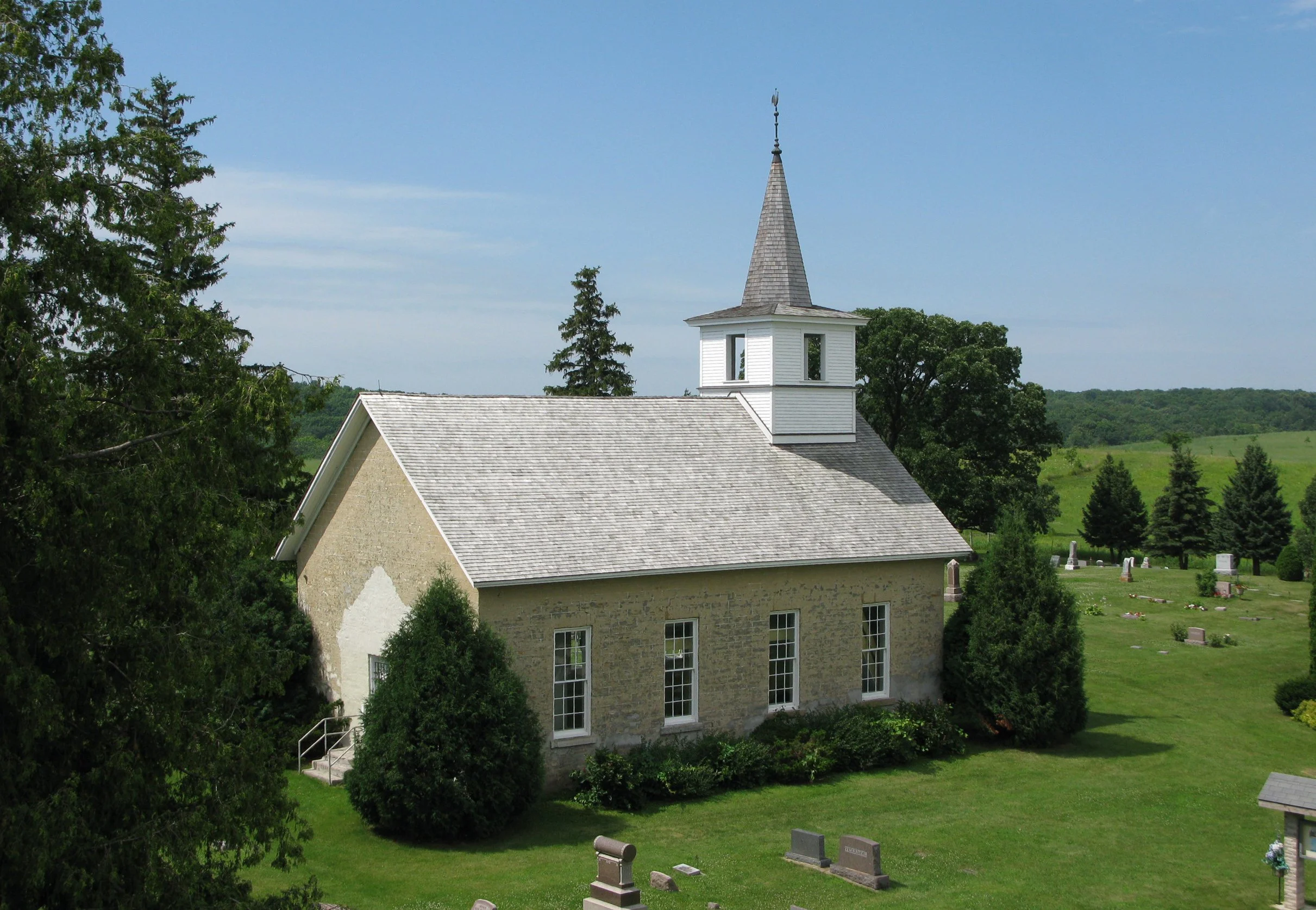
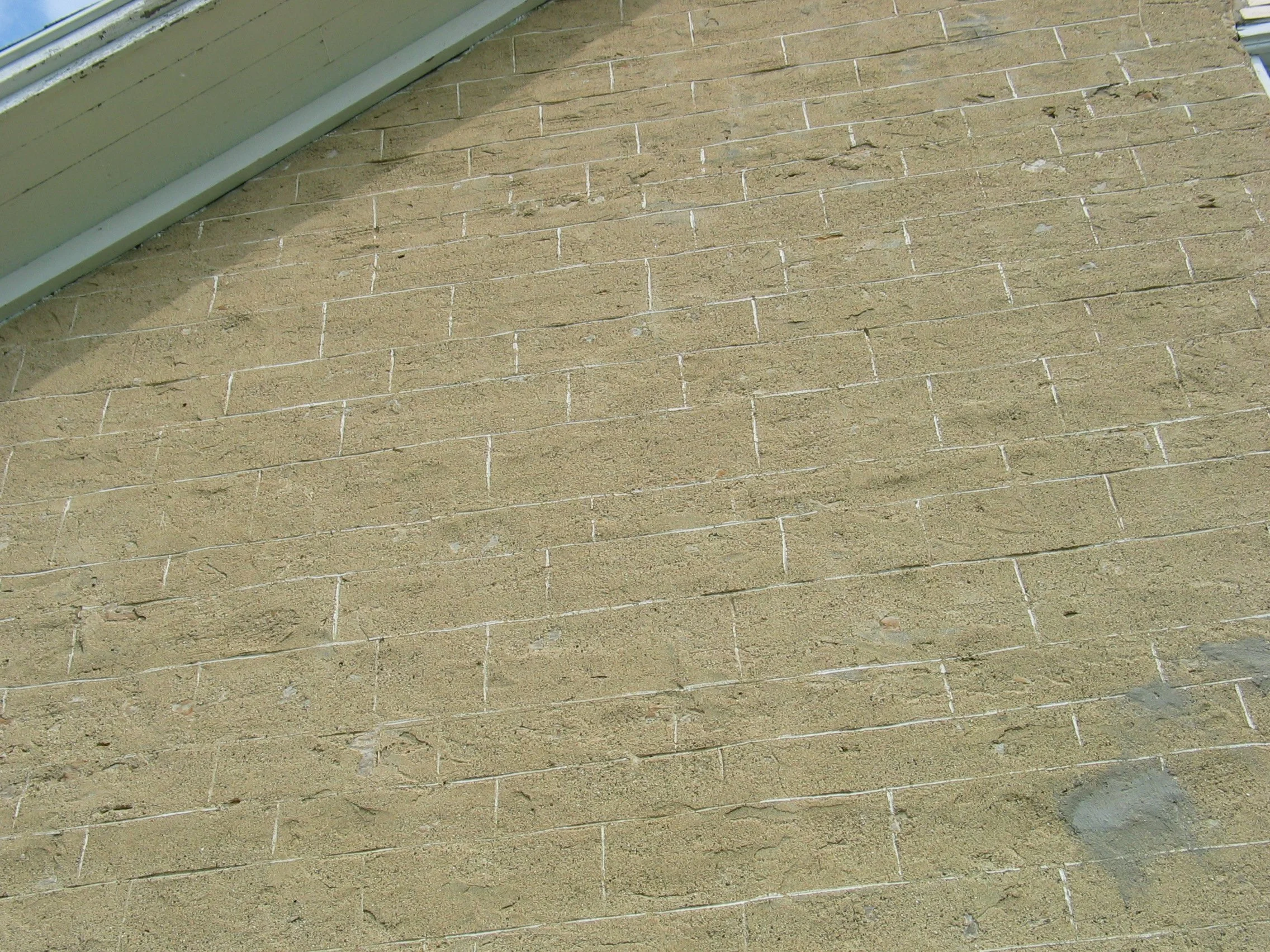
Constructed with local limestone rock by Norwegian immigrants and dedicated in 1868, the building was plastered to protect the stones from weathering. Then lines created with darker whitewash were applied to give the illusion of well-crafted symmetric stones. Historic photos also show two bas-relief sculptures on the front of the church. Recently, we’ve discovered that the style of plaster work is quite rare and requires extensive work to be restored for future generations. Grant applications for funding this and other restoration projects are in progress.
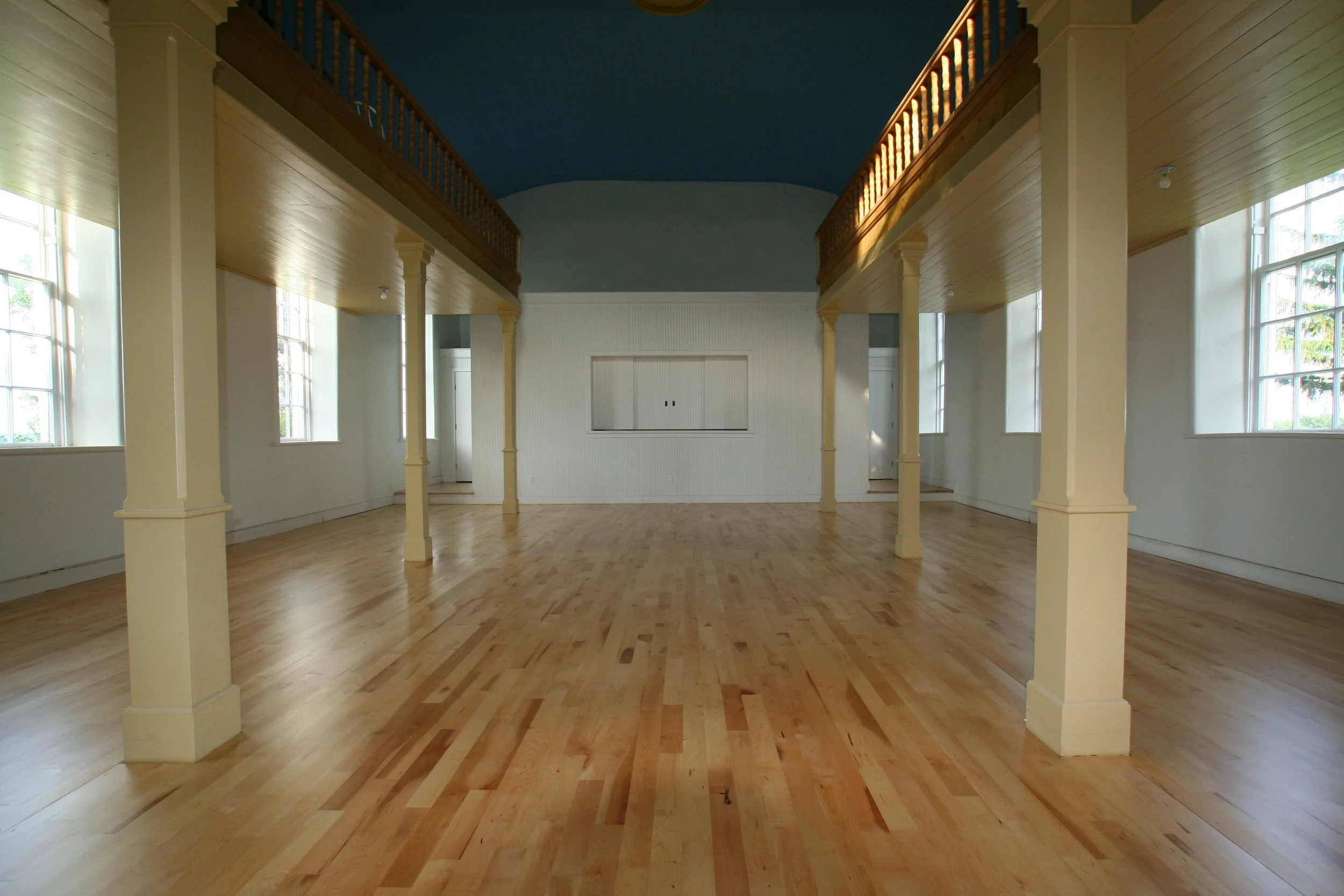
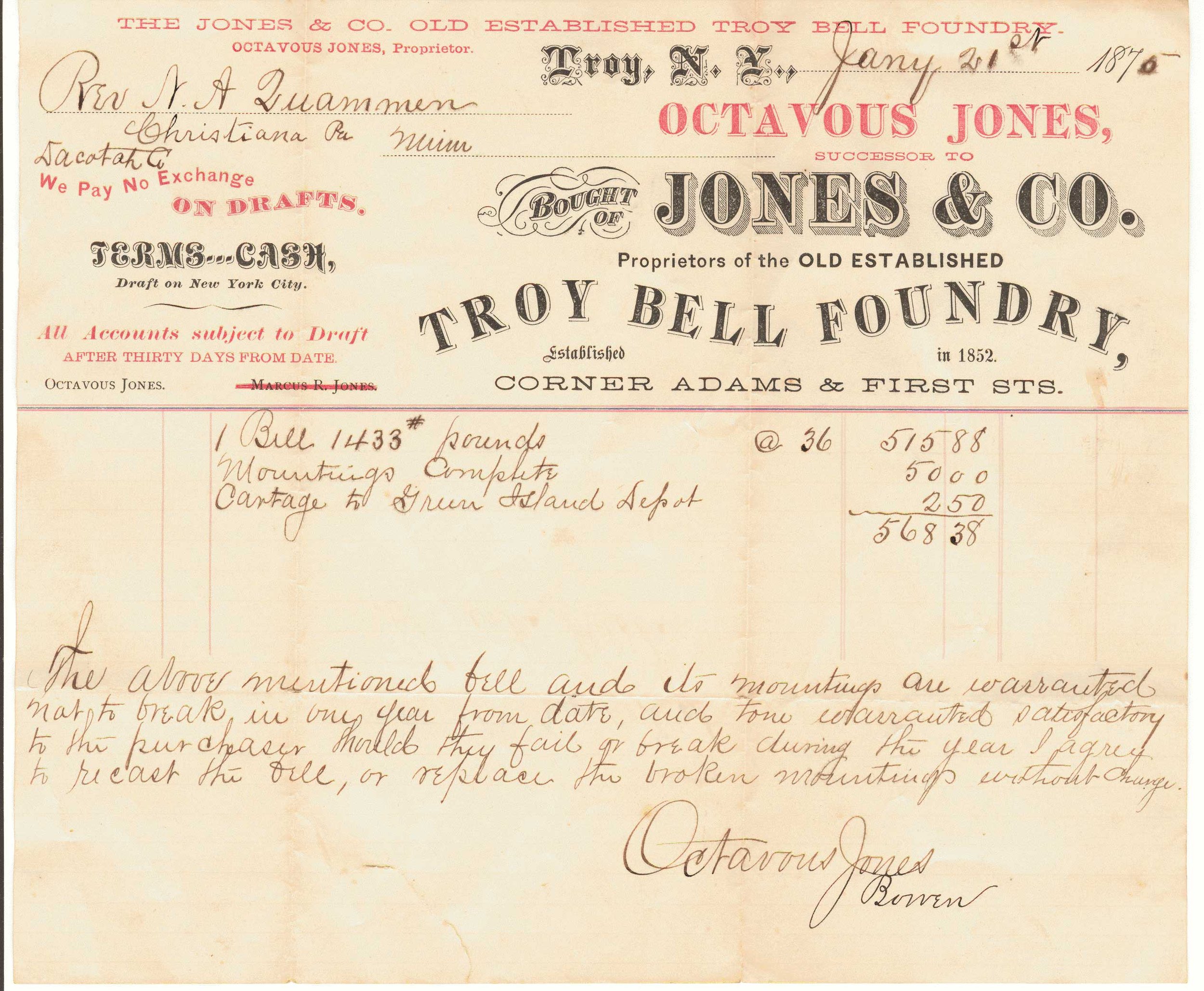
The interior of the stone church originally featured a raised pulpit on the right side of the sanctuary, a small organ, an elaborate cast-iron chandelier with matching wall sconces, and a hand-carved wooden arch that linked the two ends of the three-sided choir loft. The bell, cast in New York, installed in 1875, and moved to the clapboard church in 1894, is said to be the second oldest church bell still ringing west of the Mississippi. An iconic rooster finial graces the steeple.
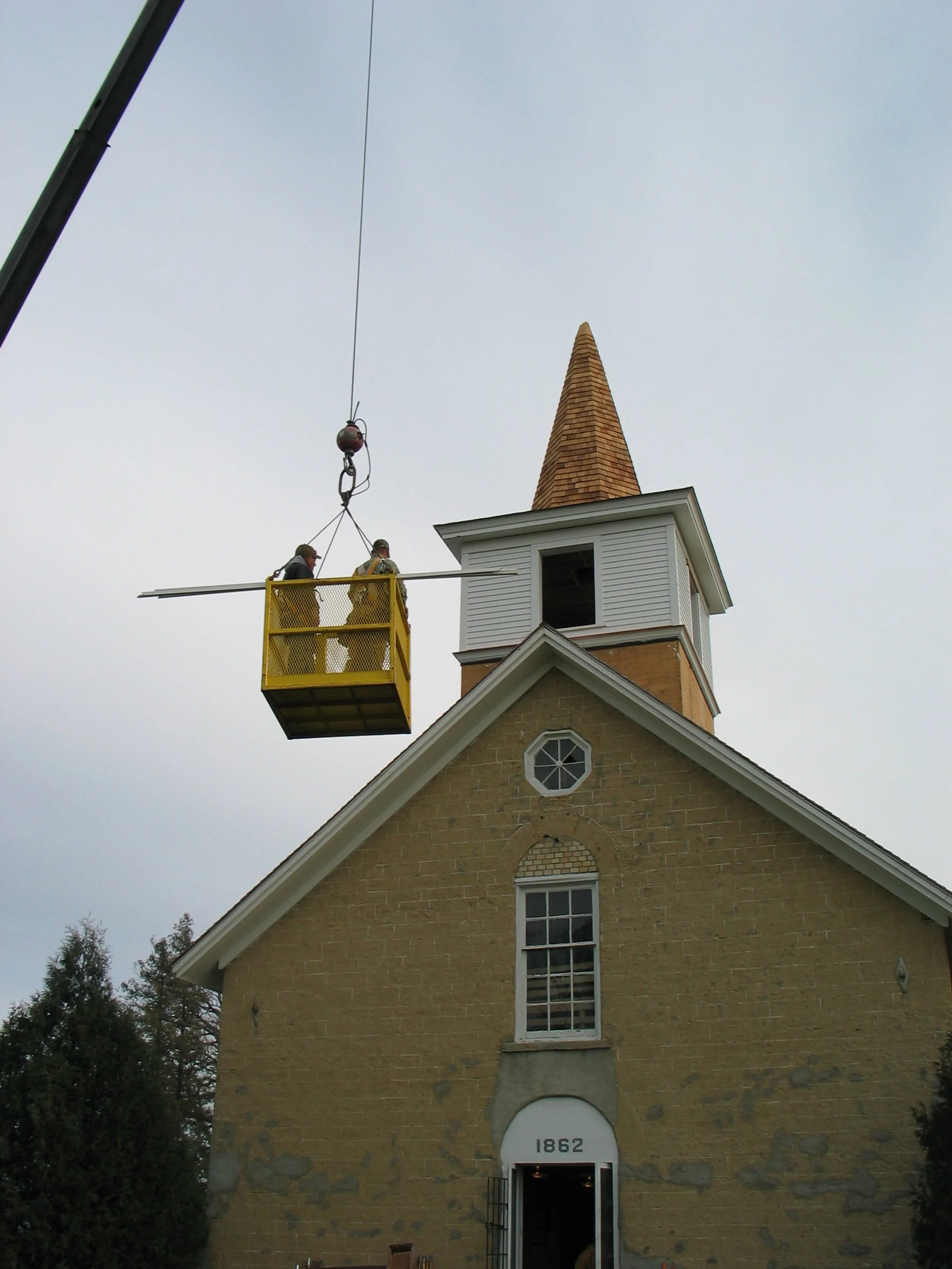
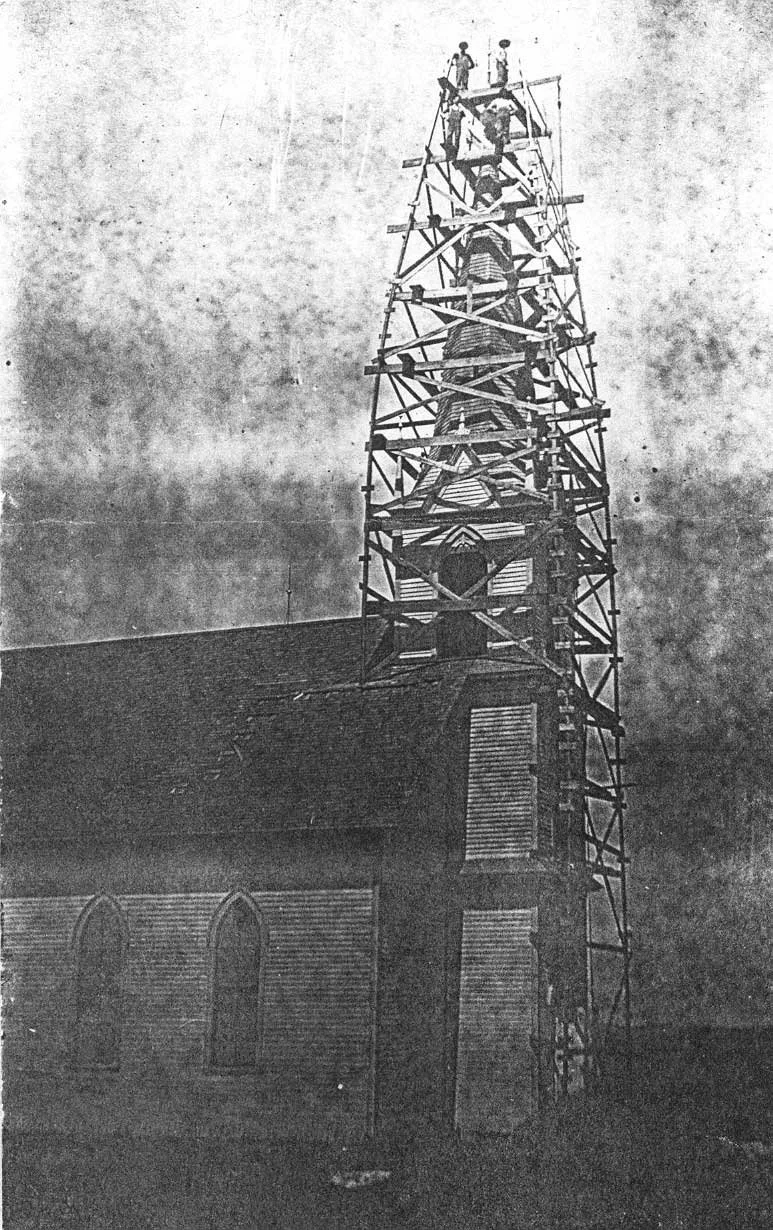
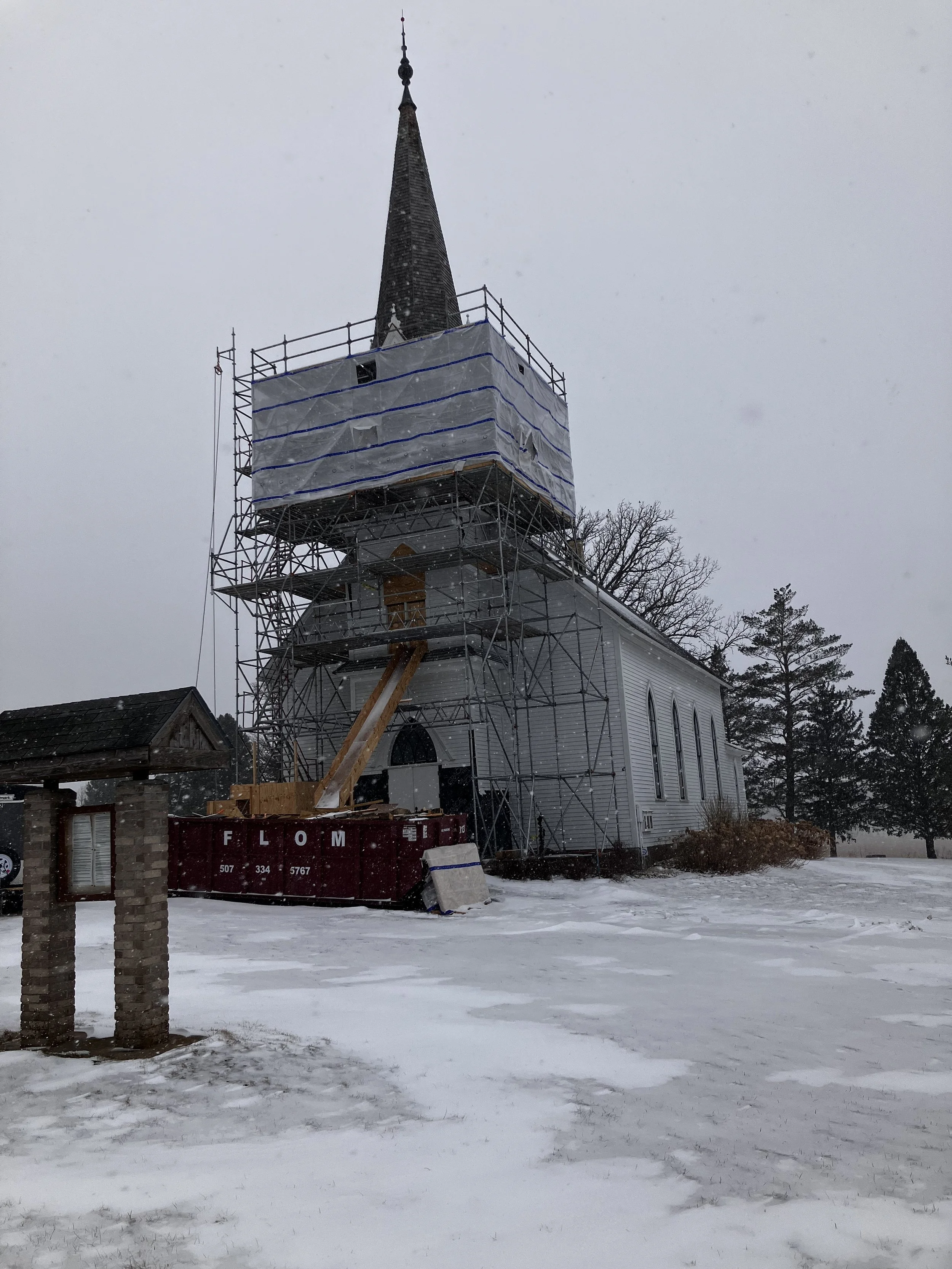
After 1894, the stone church was used as a Guild Hall, where the Ladies Aid met and community functions were held. In 1895 a false ceiling blocking off the choir loft was built, along with a kitchen at the east end. In recent years, the false ceiling was removed as part of a restoration project. Other efforts have included restoration of the steeple, with the reconstruction of the rooster finial from a rediscovered sketch (2008), and installation of new maple flooring 2013). The recent rediscovery of parts of the original chandelier raise hopes it might also be restored or recreated.
The Wood Church (Built 1894)
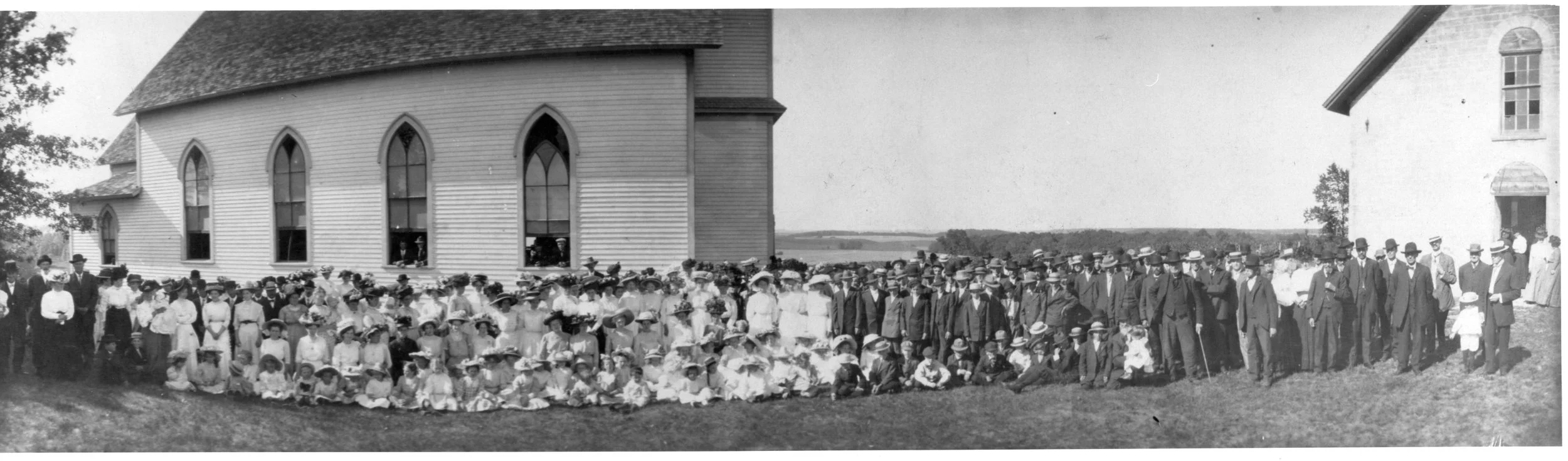
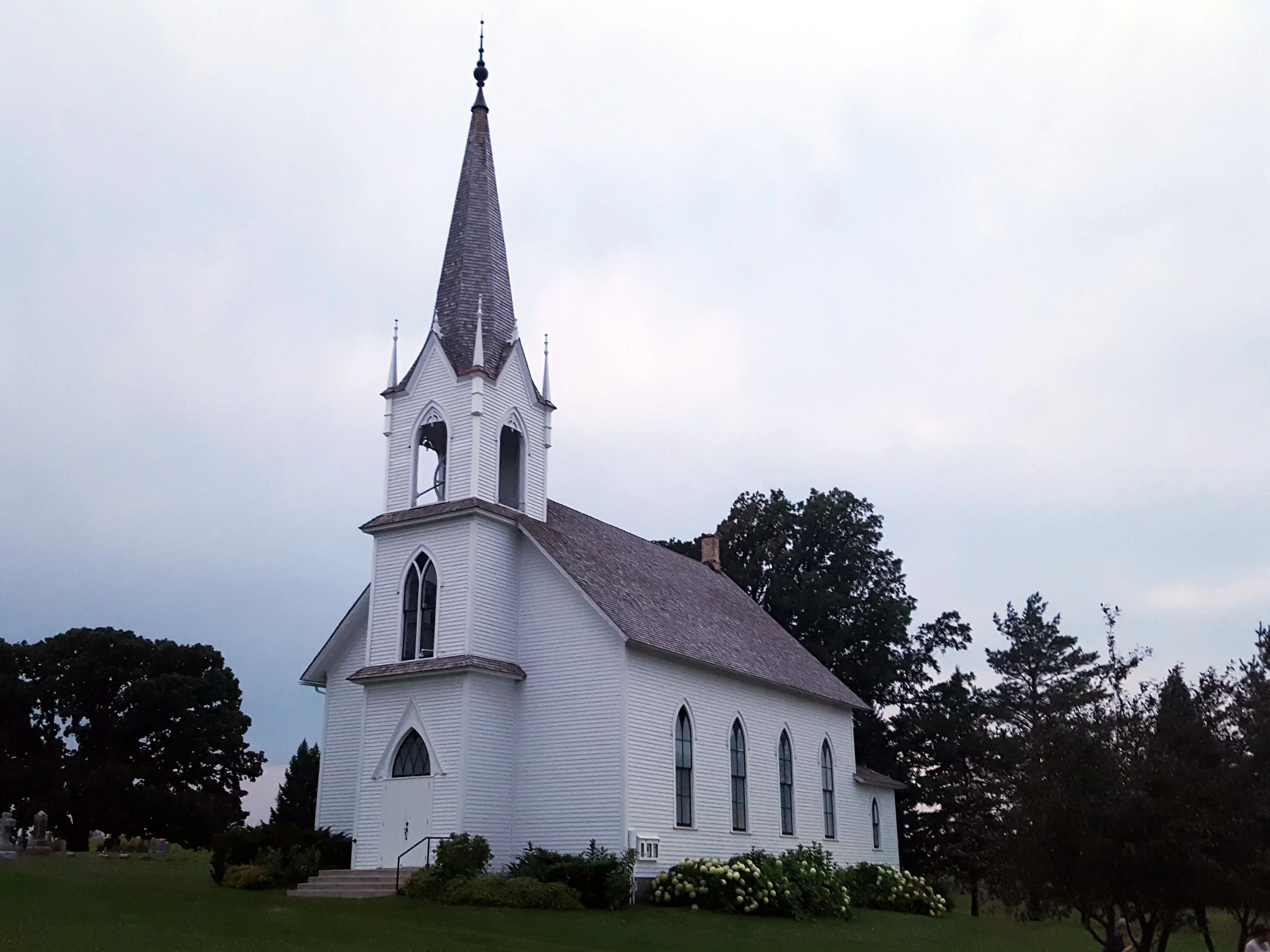
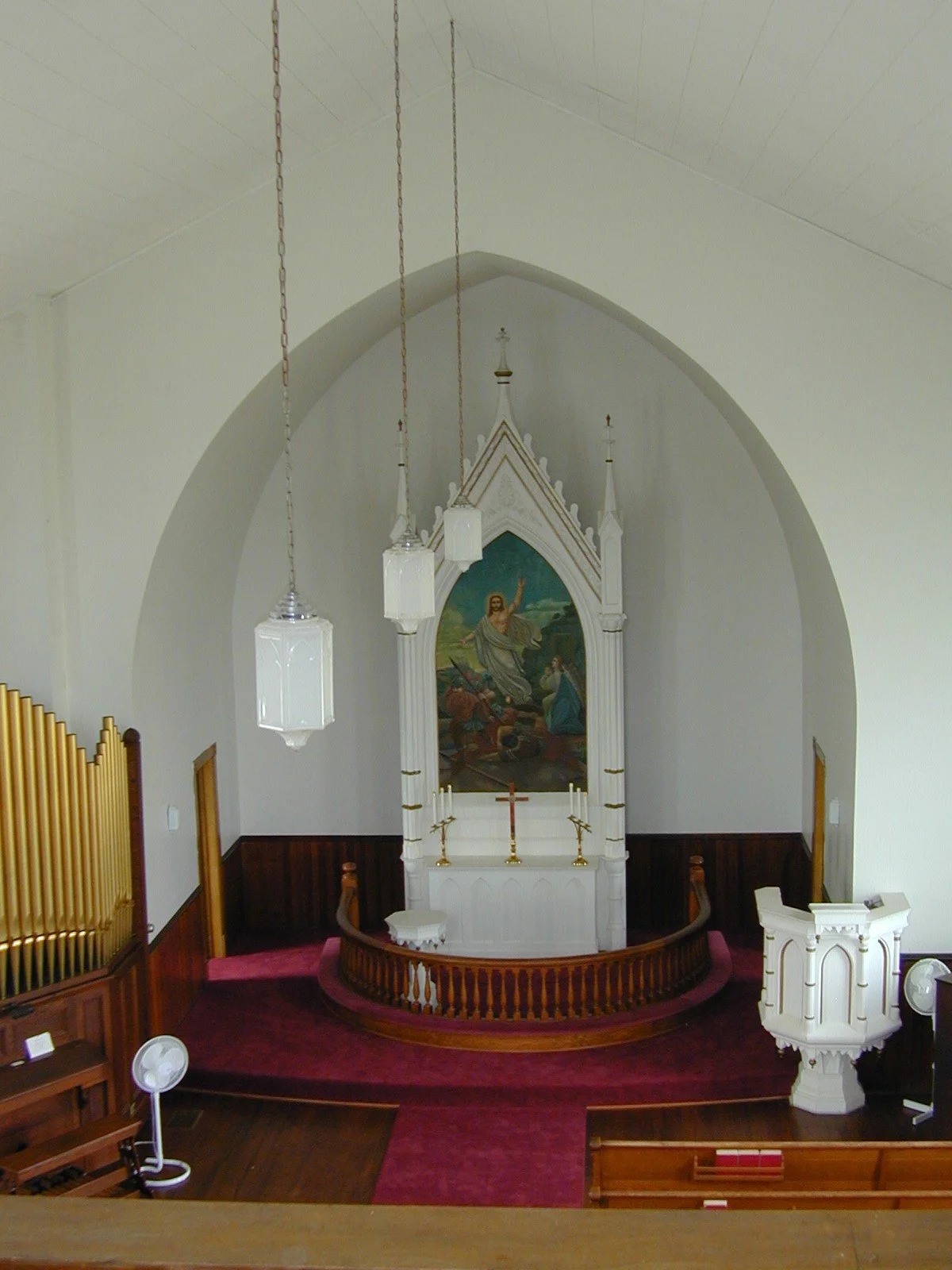
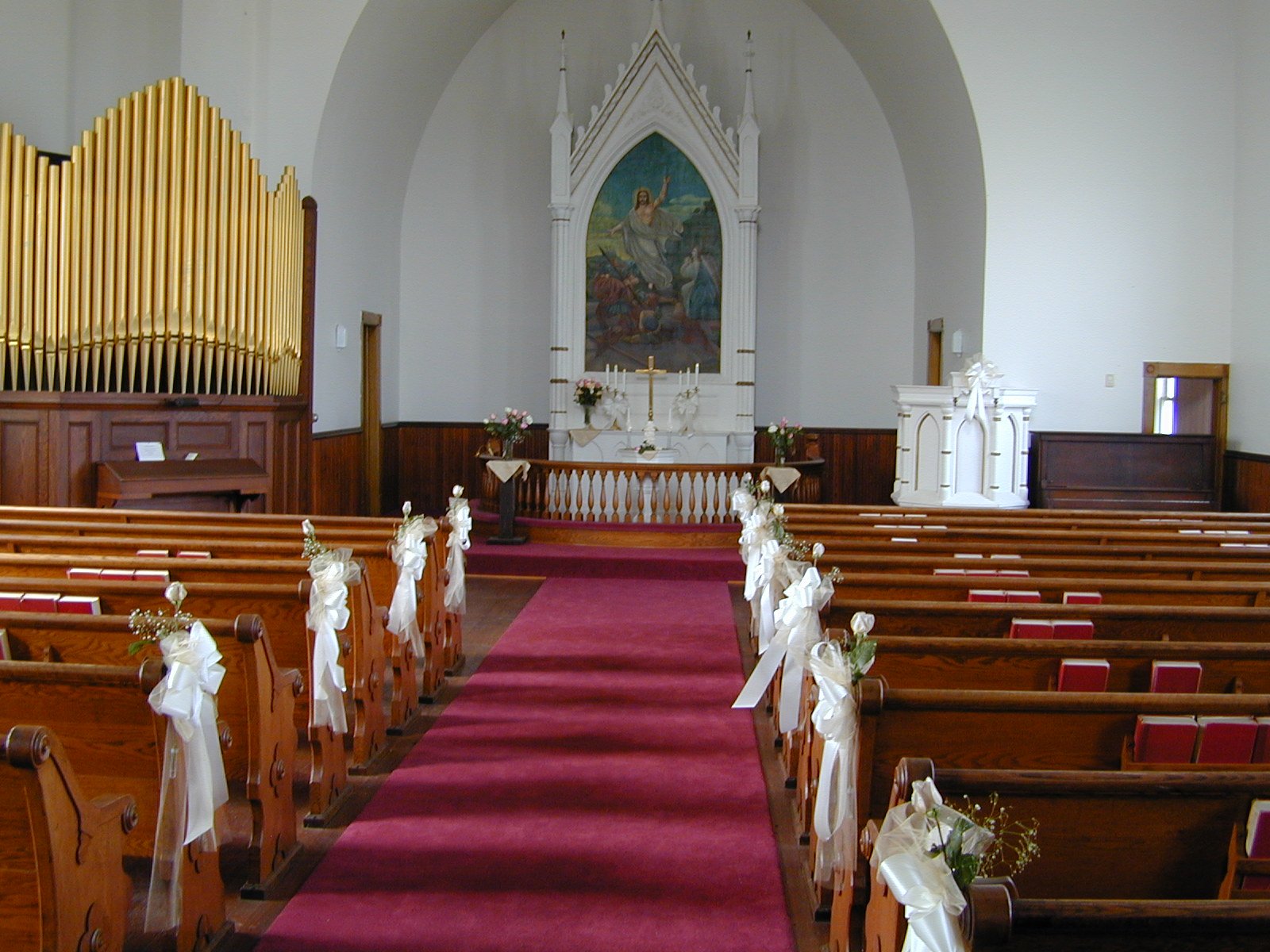
This white clapboard structure was built when the congregation outgrew the stone church; it was dedicated on November 8, 1894. Its Gothic style has direct connections to other historic churches in the area, such as the Christiana Lutheran Church in Lakeville (1878) and Grace Lutheran Church in Nerstrand (1894). Arched windows, the colorful organ, well-crafted wooden pews, and the painting in the alcove above the alter grace its plain interior. The belfry is reached from the balcony at the rear of the sanctuary. The pulpit, the original organ, chandelier (later removed), and bell were moved there from the stone church. Over the years improvements to the church have included a new and finer organ (1911), electrification (1939), and a modern sound system (2010), as well as a series of ever-better heating systems (the latest in 2013).
The simultaneous construction of the Grace Lutheran Church in Nerstrand in 1894 marked the separation of the local Norwegian immigrant worshiping community into two parishes. The Valley Grove Lutheran Church congregation met for services in the 1894 building until April, 1973, when it was de-commissioned after the congregation disbanded.
For a chronology of construction and reconstruction efforts, see the Historic Structures Report (2013) [PDF]
Up Next:
Oak Savanna / Prairie
Skip to:
Weddings at Valley Grove
Newsletters